You might think a simple photo for your passport or ID card is just a snapshot. But believe me, those photos have rules — strict ones. And facial expression is a big deal. Why? Because official document photos aren’t just about looking good; they’re about identification, security, and consistency. Imagine if everyone could smile wildly or pull a funny face on their passport photos — chaos at airports, right? So, there are clear-cut guidelines on how your face should look, and sticking to these can save you from annoying rejections or delays.
Understanding the Basics of Facial Expression in Official Document Photos
When it comes to official document photos, such as those for passports, driver’s licenses, or visas, there are strict guidelines designed to ensure that the image serves its primary purpose: accurate and reliable identification. Unlike casual photos, where people often smile or pose creatively, official document photos require a neutral and clear expression. This neutrality helps maintain consistency across different identification processes and makes it easier for officials and facial recognition systems to match your photo with your real-life appearance. The goal is not to capture personality or style, but to create an image that can be universally recognized and trusted.
The emphasis on a neutral facial expression stems from the need for standardization. When you look directly into the camera with a relaxed face, it minimizes distortion caused by smiling, frowning, or other emotional expressions. Such distortions can alter the shape and proportions of your face, making identification more difficult. By keeping your face as natural and expressionless as possible, key features like the shape of your eyes, nose, mouth, and jawline remain consistent over time. This consistency is critical, especially when your photo is compared during security checks or official verifications months or even years after it was taken.
In addition to the expression itself, the clarity and visibility of your facial features are essential. Your eyes must be open and unobstructed, with no shadows, reflections from glasses, or hair covering them. The lighting should be even, avoiding harsh shadows that might hide parts of your face or create an uneven look. A straightforward head position — looking directly into the camera — complements the neutral expression by providing a full, unobstructed view of your face. Together, these elements ensure that the photograph meets international standards for identification.
Finally, the importance of following these facial expression rules extends beyond mere bureaucracy. A properly taken official photo reduces the chances of your application being rejected, delays being caused, or complications during travel and identity verification. It’s a practical step that saves time, frustration, and sometimes money. So, while it might feel awkward to hold a “serious” face during your photo session, understanding the reasons behind these guidelines makes it easier to comply and ensures that your official documents will be accepted without hassle.
The Standard Facial Expression Rules
When preparing for an official document photo, there are several important facial expression rules that you must follow to ensure your photo is accepted and serves its identification purpose effectively. Here is a detailed list of those standard rules that apply in most countries:
- Maintain a neutral expression throughout the photo session. This means no smiling, frowning, or any other emotional expression that alters your natural facial features. A neutral face helps keep your image consistent over time.
- Keep your mouth closed at all times. Lips should be gently pressed together without showing teeth or parting the lips. An open mouth or smile can distort the shape of your face and is typically not allowed.
- Make sure your eyes are fully open and clearly visible. Avoid squinting, blinking, or closing your eyes. Your gaze should be directed straight at the camera to provide a clear view of your eyes, which are crucial for identification.
- Position your head facing directly forward with no tilts or turns. Your face should be centered in the frame and evenly aligned, ensuring that both sides of your face are equally visible. Any angled head positions can interfere with the recognition process.
- Avoid exaggerated facial expressions such as raised eyebrows, pouting, or any unnatural tension in your face. These expressions can alter key features and create shadows or highlights that make identification harder.
- Remove any objects or accessories that might obscure your face, including hats, sunglasses, or heavy makeup that changes your natural appearance. Exceptions may exist for religious head coverings but even then, your full face must be visible.
- Ensure that your hair is neatly styled and does not cover your eyes, forehead, or any significant part of your face. Stray hairs can cast shadows or obscure important facial features.
- Maintain a relaxed jaw and avoid clenching your teeth or jaw muscles, as tension can show up on camera and affect the natural look of your face.
- Keep your facial muscles relaxed, especially around the eyes and mouth, to avoid unintentional expressions that could be interpreted as a smile or frown.
Common Mistakes to Avoid in Official Document Photography
| Mistake | Description | Why It’s a Problem | How to Avoid It | Additional Notes |
| Smiling or Showing Teeth | Even a slight smile or showing teeth is usually prohibited. | Smiling changes facial structure, making ID less reliable. | Keep a neutral, relaxed mouth with lips closed. | Some countries allow very slight smiles without teeth. |
| Tilting or Turning the Head | Not facing the camera squarely. | Angled faces distort proportions, complicating recognition. | Position your head straight, looking directly at the camera. | Use a mirror or ask the photographer for alignment help. |
| Squinting or Closed Eyes | Eyes partly or fully closed due to blinking or light. | Makes eyes unclear, hindering identification. | Relax, take a deep breath before the photo is taken. | Blink well before the photo; avoid bright lights. |
| Overly Exaggerated Expressions | Raised eyebrows, frowns, pursed lips, or any unnatural look. | Distorts facial features, reducing photo’s effectiveness. | Maintain a calm, neutral expression with relaxed muscles. | Practice a neutral face in front of a mirror. |
| Wearing Hats or Sunglasses | Obstructing parts of the face with accessories. | Covers key facial features, disqualifying the photo. | Remove hats, sunglasses, and any headwear unless for religious reasons. | Religious coverings must still show full face clearly. |
| Facial Hair Covering Face | Excessive beard or mustache obscuring facial features. | Can hide important points for identification. | Trim or style facial hair to keep full face visible. | Facial hair is allowed but should not obscure features. |
| Heavy Makeup or Flashy Jewelry | Makeup or accessories distracting from natural appearance. | Draws attention away from facial structure, affecting clarity. | Use minimal makeup and avoid large or shiny jewelry. | Keep it simple to highlight your natural features. |
Variations in Rules Across Countries and Documents
Facial expression rules for official document photos vary from country to country, reflecting differences in cultural norms, technological capabilities, and security priorities. While the majority of countries insist on a neutral expression with a closed mouth and direct gaze, there are subtle variations that applicants should be aware of before submitting their photos. For example, the United States requires a strictly neutral face with no smile, but allows glasses as long as the eyes remain visible and free from glare. Meanwhile, the United Kingdom has been more flexible since 2010, permitting a slight smile as long as the teeth are not shown, reflecting a shift towards a more relaxed interpretation of the traditional neutrality rule.
India takes a stricter stance, enforcing a completely neutral expression with the mouth closed and no smiles allowed. Additionally, Indian guidelines emphasize the importance of having the head facing directly forward with no tilts, and eyes fully open to maximize visibility and ensure clear identification. These precise rules aim to maintain uniformity and facilitate efficient identity verification across the country’s diverse population. Australia also mandates a neutral expression and generally discourages wearing glasses in official photos to avoid glare or reflections that might obscure the eyes. The approach is designed to maintain clarity and reduce the chances of photo rejection.
Canada’s regulations align closely with the more traditional standard, requiring a neutral expression and closed mouth, while allowing exceptions such as hats worn for religious reasons. This inclusion reflects an understanding of cultural diversity while still prioritizing the visibility of the face for identification. The differences in these rules underscore the importance of checking country-specific photo requirements before submitting your application, especially if you’re applying for a visa or travel document in a country different from your own.
As technology continues to evolve, these facial expression rules are being shaped not only by cultural considerations but also by the capabilities of facial recognition systems. Consistency in facial expression — primarily a neutral look — greatly reduces the chance of errors during automated identity verification. Facial recognition software relies on stable and predictable facial features to compare images accurately, so any variation caused by smiles, head tilts, or other expressions can result in mismatches or delays. While some countries have relaxed their rules slightly, the core principle remains: a clear, neutral expression is the best way to ensure your official document photo passes both human and machine scrutiny.
Tips for Achieving the Perfect Facial Expression
- Begin by fully relaxing your face before the photo is taken. Tension in your jaw, forehead, or around your eyes can make your expression look unnatural or strained, so take a moment to release any tightness.
- Focus your eyes straight into the camera lens as if you are making eye contact with a close friend. This helps create a natural and steady gaze that looks neither blank nor forced.
- Keep your lips gently closed without pressing them tightly together or biting them. A soft, natural closure keeps your mouth relaxed while adhering to the official requirements for no smiling or open mouths.
- Practice your neutral expression ahead of time by looking into a mirror. Try holding different facial positions to find the most relaxed and natural look that still complies with the rules.
- Avoid blinking or squinting right before the photo. To prepare, blink fully a moment before the shutter clicks and then keep your eyes wide open and steady, which prevents closed eyes or awkward squints.
- Maintain a calm and composed mindset as nervousness often causes unintended facial expressions like frowning, pursing lips, or blinking. Taking a few deep breaths beforehand can help steady your expression.
- Minimize unnecessary movements or fidgeting. Staying still helps the camera capture a sharp, clear image that highlights your natural, neutral face.
- If you wear glasses, make sure they are clean and positioned to avoid glare or shadows, and keep your eyes visible through the lenses.
- Pay attention to your posture, as a straight and relaxed neck and shoulders contribute to a well-aligned head position, which complements your facial expression.
Special Cases: When Smiling Is Allowed
| Country | Smiling Guidelines | Restrictions | Practical Tips | Notes |
| United Kingdom | Slight smile allowed since 2010 | No teeth visible; lips must be gently closed | Practice a soft smile that doesn’t involve teeth showing | Official guidance updated to allow friendlier photos |
| Canada | Slight smile permitted | Smile must be very subtle; eyes unchanged | Keep expression calm; avoid raising eyebrows or squinting | Smiling must not alter the natural shape of the face |
| United States | No smiling allowed | Strictly neutral expression required | Maintain a relaxed, neutral face with closed mouth | Most strict policy among common countries |
| Australia | Neutral expression required | No smiles allowed | Focus on relaxing facial muscles without smiling | Consistent with standard international norms |
| India | No smiles allowed; strictly neutral expression | Mouth closed; no head tilts | Keep head straight and expression neutral | Rules emphasize uniformity and clear visibility |
The Importance of Lighting and Background
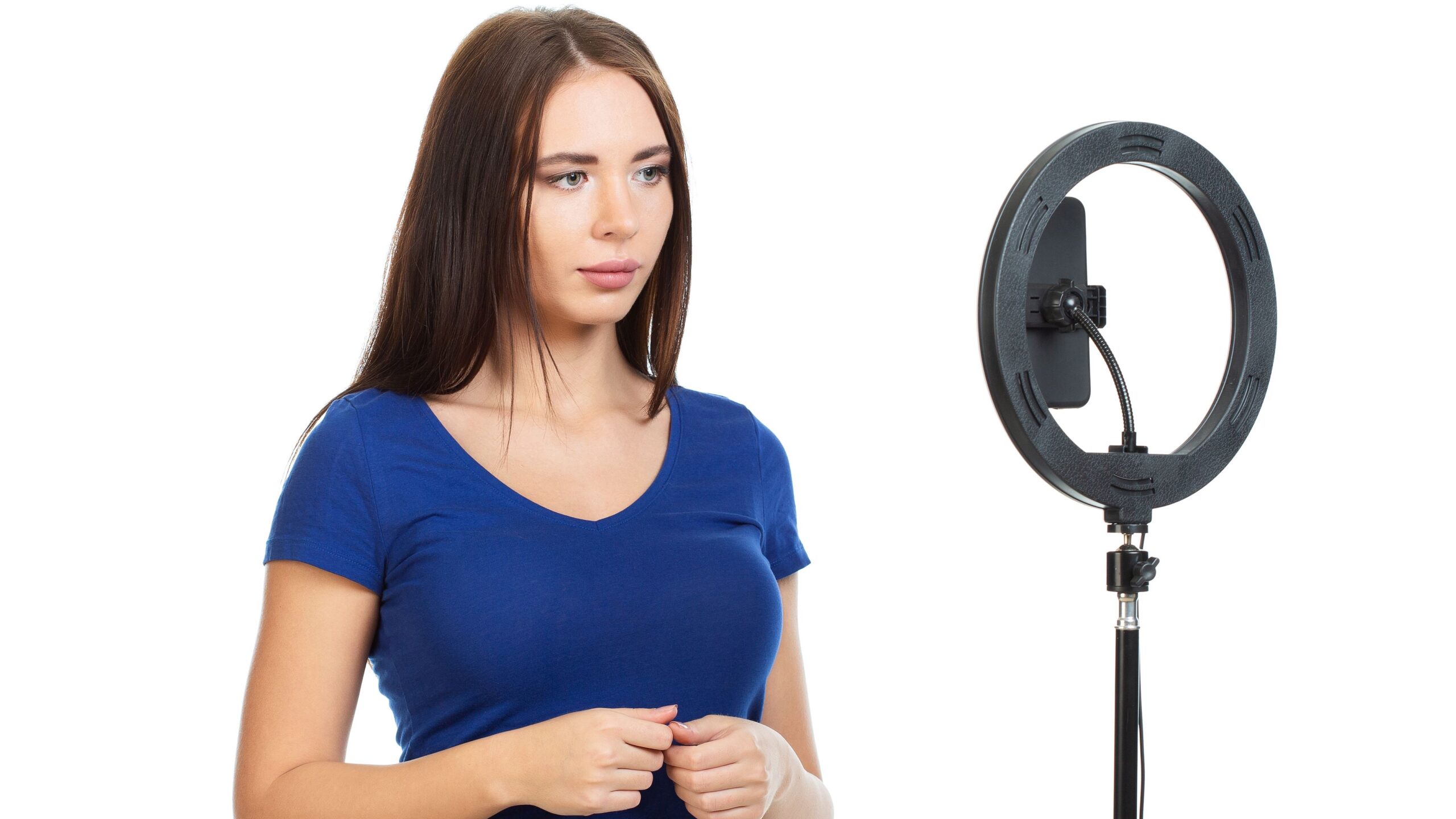
Lighting plays a crucial role in how your facial expression appears in official document photos. Good lighting helps soften your features and reduces the risk of harsh shadows that can create the illusion of tension or discomfort. When lighting is uneven or too bright, it can cause you to squint or appear strained, which can unintentionally alter your neutral expression. Soft, even lighting ensures that your face is evenly illuminated, making your natural features stand out clearly without distractions. This kind of lighting helps maintain the simplicity and clarity required for official identification photos.
The background is just as important as lighting in maintaining focus on your face. A plain, light-colored background is usually required to avoid any visual clutter that might detract from the clarity of your image. Patterns, textures, or dark colors can cause unwanted shadows or contrast that interfere with the photo’s quality. By using a simple background, the camera can capture your facial details without any competing elements, which makes your photo more suitable for identification purposes.
Posture also has a significant effect on your facial expression and the overall quality of your photo. Sitting or standing up straight helps align your head correctly with the camera, preventing unwanted tilts or angles that can distort your features. Good posture supports a relaxed yet attentive facial expression, reducing tension in the neck and shoulders that might otherwise show in your face. When your body is properly aligned, it’s easier to maintain a neutral and natural look, which is exactly what official photos require.
Practicing your expression in front of a mirror is a powerful tool for preparing for your official photo. By observing yourself, you can identify how your face looks when relaxed and neutral, without appearing stiff or forced. Repeated practice helps you get comfortable with the “official photo face,” a calm and straightforward expression that meets all guidelines without looking unnatural. This preparation not only boosts your confidence but also increases the chances of getting your photo accepted on the first try.